By
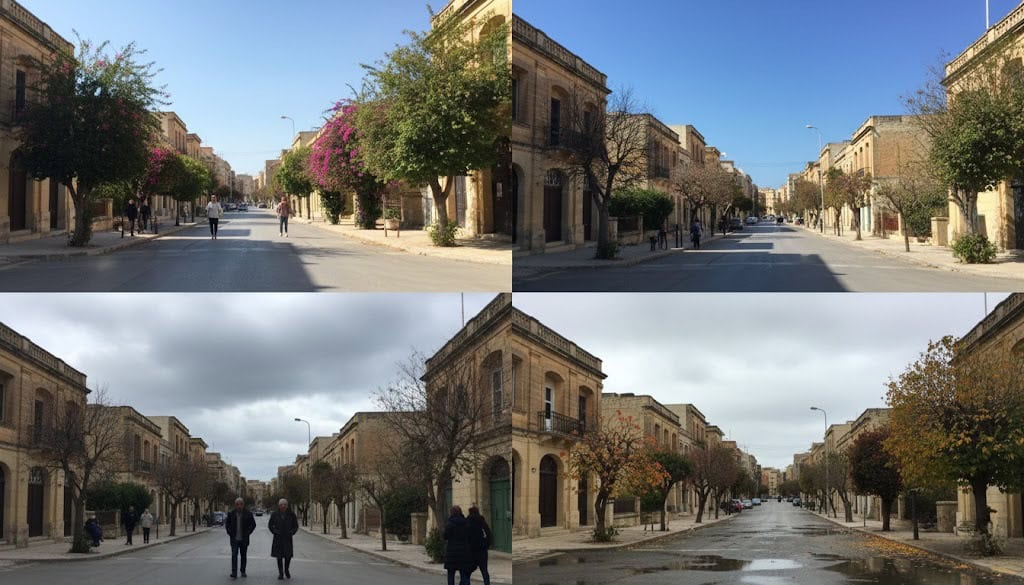
Pembroke is not a destination that stays the same year-round. Tucked into the heart of Pembrokeshire in southwest Wales, this historic town and its surrounding coastline transform dramatically as the seasons shift. Weather patterns change, crowds ebb and flow, wildlife appears and disappears, and prices rise and fall in ways that can significantly shape your experience.
For travelers trying to decide when to visit Pembroke—not just what to see—understanding these seasonal differences matters. A summer trip offers long days and festival energy, while winter delivers solitude, dramatic scenery, and lower costs. Spring and autumn sit somewhere in between, balancing nature, comfort, and crowd levels.
This guide breaks down Pembroke through the four seasons, covering weather, crowds, events, wildlife, prices, and activities. By the end, you’ll have a clear sense of which season best matches your travel style, budget, and expectations.
Understanding Pembroke’s Seasonal Rhythm
Pembroke’s climate is shaped by its coastal location and the influence of the Atlantic Ocean. Temperatures remain relatively mild year-round compared to much of the UK, but weather conditions can change quickly. More importantly, the seasons strongly influence tourism patterns across Pembrokeshire, including nearby highlights like Pembroke Castle, the Pembrokeshire Coast National Park, and coastal villages such as Tenby and Freshwater East.
Each season brings its own personality—and knowing what changes, and why, can help you plan a more rewarding visit.
Spring in Pembroke (March to May):
Weather: Unpredictable but Promising
Spring in Pembroke is a season of transition. March can still feel wintry, with cool temperatures and occasional rain, but by April and May the landscape begins to soften. Daytime temperatures typically range from 10°C to 15°C (50°F to 59°F), with increasing sunshine as the season progresses.
Rain showers are common, but they’re often brief. The payoff is fresh air, bright skies between clouds, and landscapes at their greenest.
Crowds: Quiet but Awakening
Spring sits just before the main tourist rush, making it one of the best times to visit Pembroke for travelers who value space and calm. Attractions are open, but crowds remain light, especially in March and early April. By late May, visitor numbers start to climb as bank holidays and warmer weather attract more people.
If you want to explore Pembroke Castle or coastal paths without feeling rushed or crowded, spring offers a sweet spot.
Wildlife: One of Spring’s Biggest Rewards
Spring is a standout season for wildlife in Pembrokeshire. Seabirds return to coastal cliffs to nest, and wildflowers bloom along the Pembrokeshire Coast Path. Dolphins and seals are more frequently spotted offshore as marine life becomes more active.
For nature lovers, this season delivers a quieter, more intimate connection with the landscape.
Events and Local Life
Spring events tend to be smaller and more locally focused. Easter brings family-friendly activities, and many outdoor attractions reopen fully after winter closures. Markets, cafés, and coastal towns begin to buzz again, but without the intensity of summer.
Prices and Accommodation
Accommodation prices in spring are generally lower than in summer, particularly outside of holiday periods. You’ll find better availability and more flexibility, making it an excellent season for budget-conscious travelers or those planning longer stays.
Why Spring Matters
Spring in Pembroke is about balance. You get improving weather, rich wildlife, and open attractions without the peak-season crowds or prices. It’s ideal for walkers, photographers, and travelers who enjoy seeing a destination come back to life.
Summer in Pembroke (June to August):
Weather: The Best Chance for Sun
Summer offers Pembroke’s warmest and most settled weather. Temperatures typically range from 18°C to 22°C (64°F to 72°F), though heatwaves can occasionally push higher. Long daylight hours mean more time to explore, especially along the coast.
Rain is still possible—this is Wales, after all—but summer provides the most reliable conditions for outdoor activities.
Crowds: Lively and Busy
This is Pembroke’s busiest season. Families arrive during school holidays, coastal towns fill up, and popular beaches and attractions can feel crowded, especially in July and August.
Pembroke itself is often slightly calmer than nearby resort towns, but visitor numbers are still high. Booking accommodation and dining ahead becomes essential.
Wildlife: Coastal Highlights
Summer is prime time for marine wildlife. Seals are commonly seen basking on beaches, and boat trips offer chances to spot dolphins, porpoises, and even basking sharks. Coastal walks are at their most accessible, with longer days and safer conditions.
Events and Festivals
Summer brings the most events to Pembrokeshire. From food festivals and outdoor theatre to local fairs and music events, there’s a sense of celebration throughout the region. These events add color and atmosphere but also contribute to crowd levels.
Prices and Availability
Summer is the most expensive time to visit Pembroke. Accommodation prices peak, especially during school holidays, and availability can be limited. Attractions, parking, and dining may also cost more or require advance booking.
Activities at Their Peak
Beach days, coastal walks, kayaking, coasteering, and boat tours dominate summer activities. This is the season when Pembroke’s surroundings truly shine for outdoor adventure and classic seaside experiences.
Why Summer Matters
Summer delivers Pembroke at its most vibrant. If you value warm weather, long days, and a full calendar of events—and don’t mind crowds or higher prices—this is the season that showcases the region at full volume.
Autumn in Pembroke (September to November):
Weather: Mild with a Moody Edge
Early autumn often feels like an extension of summer, particularly in September. Temperatures remain comfortable, ranging from 14°C to 18°C (57°F to 64°F), and the sea stays relatively warm.
By October and November, weather becomes more changeable, with stronger winds and more frequent rain. Still, many days remain ideal for walking and sightseeing.
Crowds: A Noticeable Drop
Once school holidays end, visitor numbers decline sharply. Beaches empty, attractions become quieter, and Pembroke regains a slower pace. This is one of the best seasons for travelers who want breathing room without sacrificing accessibility.
Wildlife: A Different Kind of Spectacle
Autumn brings migratory birds and changing marine behavior. Seals remain visible, and coastal cliffs offer excellent birdwatching opportunities. Inland, autumn colors add depth and drama to the landscape.
Events and Seasonal Food
Autumn is harvest season, celebrated through food festivals, farmers’ markets, and local produce showcases. It’s a great time to experience Pembrokeshire’s culinary side, with seafood, local meats, and seasonal vegetables taking center stage.
Prices and Accommodation
Prices drop after summer, especially from October onward. Many accommodations offer off-season deals, and availability improves significantly. Some attractions may reduce hours later in the season, but most remain open through October.
Why Autumn Matters
Autumn is about atmosphere. Fewer people, rich colors, and mild weather make it ideal for walkers, photographers, and couples seeking a more relaxed visit. It’s often considered the best overall season for value and comfort.
Winter in Pembroke (December to February):
Weather: Cool, Windy, and Atmospheric
Winter in Pembroke is mild compared to inland UK regions, with temperatures usually between 5°C and 10°C (41°F to 50°F). Rain, wind, and occasional storms are common, especially along the coast.
While not ideal for beach days, winter weather adds drama to cliffs, castles, and coastal paths.
Crowds: Almost Gone
This is Pembroke at its quietest. Tourist crowds disappear, leaving the town and surrounding landscapes feeling peaceful and unhurried. You may have beaches, trails, and even major landmarks nearly to yourself.
Wildlife: Subtle but Present
Wildlife viewing is more limited in winter, but seals and seabirds are still visible, particularly after storms. Winter walks often reward visitors with raw, untamed scenery rather than abundant animal activity.
Events and Local Traditions
Winter events focus on Christmas, New Year, and local traditions. Festive markets, decorations, and cozy pubs create a warm contrast to the weather outside. After the holidays, the region settles into a quieter rhythm.
Prices and Closures
Winter offers the lowest prices for accommodation, often significantly cheaper than summer. However, some attractions, cafés, and tours may operate on reduced hours or close temporarily. Planning ahead is important.
Why Winter Matters
Winter in Pembroke is for travelers who value solitude, lower costs, and dramatic scenery over convenience. It’s ideal for writers, photographers, and anyone looking to experience the area without distractions.
Choosing the Best Time to Visit Pembroke
There is no single “best” season to visit Pembroke—only the best season for you.
- Choose spring if you want wildlife, greenery, and manageable crowds.
- Choose summer for warm weather, events, and classic coastal experiences.
- Choose autumn for balance, value, and rich atmosphere.
- Choose winter for peace, low prices, and moody landscapes.
Understanding these seasonal changes helps you align your expectations with reality, ensuring your visit feels intentional rather than accidental.
Final Thoughts
Pembroke is a destination defined by change. The same castle, coastline, and town can feel entirely different depending on the season you visit. Weather affects not just comfort, but mood. Crowds influence how deeply you can connect with a place. Wildlife, events, and prices all shape the story you’ll tell afterward.
By choosing when to visit Pembroke with care, you’re not just planning a trip—you’re choosing the version of Pembroke you want to experience.